
Blooming
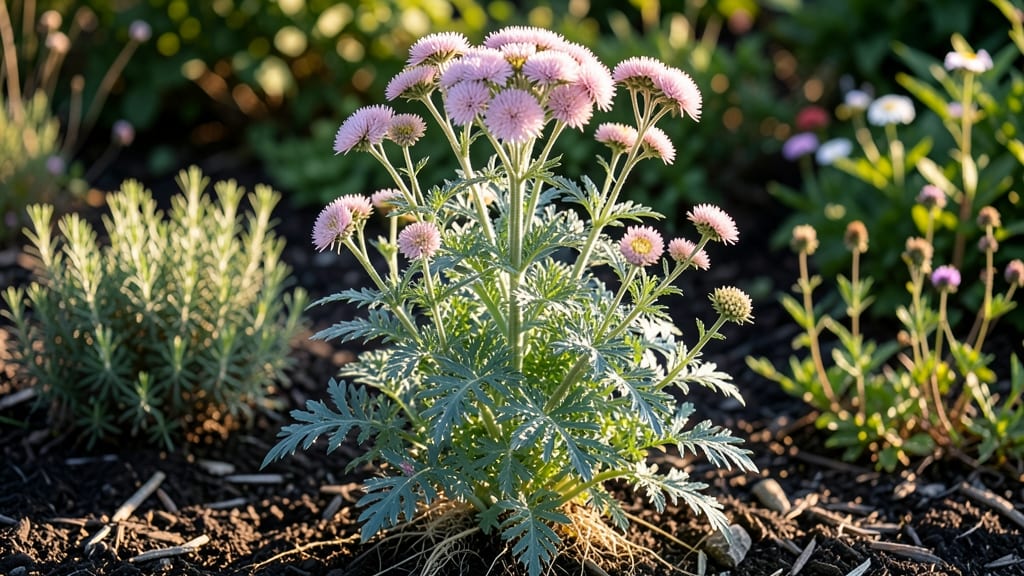
Yarrow does bloom all summer, producing vibrant flat-topped clusters from early June through August, and many varieties will continue flowering into early fall if you regularly remove spent blooms. This hardy perennial thrives in full sun and dry conditions, delivering nonstop color with minimal effort.
This long bloom season happens because yarrow stores energy in its deep root system, allowing it to push out new flowers continuously. 🌿 The key to extending its display is deadheading—snipping back faded blooms encourages fresh growth, while its drought tolerance means you won’t need frequent watering.
I’ve seen yarrow keep blooming well into September in warmer climates, proving it’s one of the most reliable summer perennials for gardeners who want effortless color.
The flat-topped clusters aren’t just pretty—they’re also magnets for pollinators like bees and butterflies, making yarrow a dual-purpose plant for both aesthetics and ecology. Its ability to thrive in poor soil conditions adds to its appeal, though it does best in well-drained areas to prevent rot.
For maximum impact, pair it with other long-blooming perennials like coneflowers or black-eyed Susans.
💡 In This Article
- Yarrow’s Blooming Cycle: When and Why It Lasts All Summer
- Maximizing Yarrow’s Summer Blooms: Pruning and Care Tips
Yarrow’s blooming cycle: when and why it lasts all summer
Yarrow’s long bloom season is all thanks to its unique growth habit as a hardy perennial. Unlike annuals that bloom once and die, yarrow stores energy in its deep, fibrous root system, which allows it to push out new flower stems continuously throughout the growing season.
This root system can extend up to 3 feet deep, giving yarrow access to water and nutrients even during dry spells.
The plant’s ability to photosynthesize efficiently in full sun means it converts sunlight into energy at a remarkable rate—studies show yarrow can produce up to 20% more biomass than many other perennials under the same conditions.
The flat-topped clusters you see are actually composite flowers, where hundreds of tiny florets combine to create that signature fern-like appearance. Each cluster can contain 50-100 individual flowers, and when one starts to fade, the plant automatically redirects energy to the next set of buds.
This process is called determinate growth, where the plant prioritizes flower production over leaf growth, ensuring a steady supply of blooms from early June through August. In cooler climates (USDA zones 3-5), blooming may start slightly later in June but still lasts until early fall.
What makes yarrow’s summer display so reliable is its drought tolerance. Once established, it rarely needs supplemental watering—its deep roots help it survive with as little as 1 inch of rain per month.
This adaptability is why yarrow thrives in full sun conditions (6+ hours daily) and even performs well in rocky or poor soils. The trade-off? In overly rich soil, yarrow may produce more foliage than flowers, so a leaner growing medium encourages that classic flat-topped bloom structure.
Regional variations play a big role in bloom timing. In warmer climates (zones 7-10), yarrow can continue flowering well into September or October, especially if deadheaded regularly. In contrast, northern gardens (zones 3-4) might see blooms taper off by mid-August unless given extra care.
The key difference is heat accumulation—yarrow needs about 1,200-1,500 growing degree days to reach peak bloom, which varies by location.
Here’s what’s happening botanically: The plant’s photoperiod sensitivity means it responds to daylight length, but its deep roots ensure it doesn’t rely solely on seasonal cues. This dual system is why yarrow can bloom so prolifically—it’s not just following the calendar, but actively managing its own resources.
The result? A near-guaranteed show of color from June through August, with potential extensions into fall if you’re proactive about care.
One fascinating detail is how yarrow’s flowers change color as they age. Fresh blooms often appear white or pale pink, but they deepen to yellow or reddish hues as they mature—a natural process that adds visual interest to your garden.
This color shift is due to anthocyanin pigments developing in response to sunlight and temperature fluctuations, making each cluster a dynamic display.