
Blooming
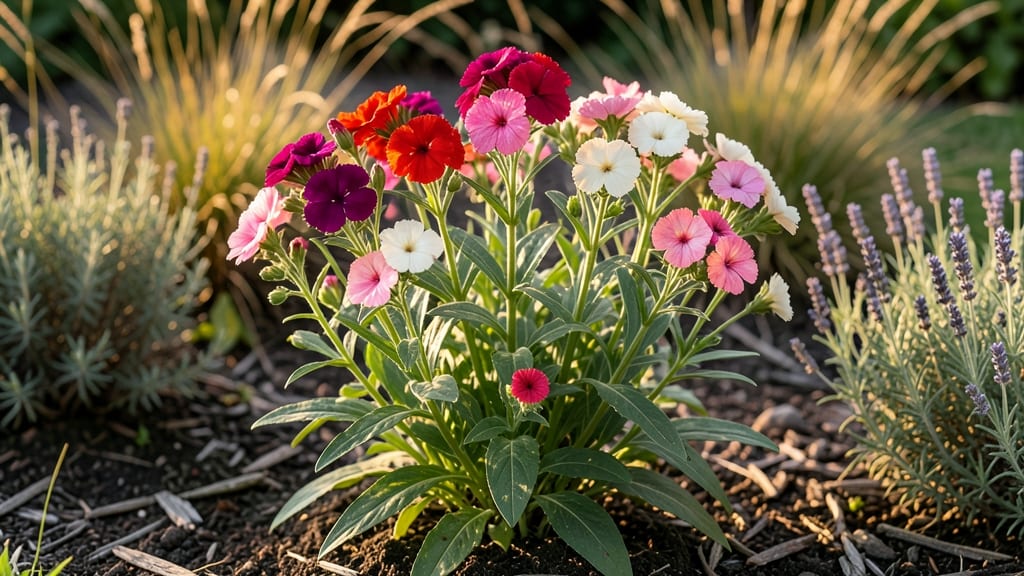
Stock plants do bloom all summer when given proper care, typically producing vibrant flowers from early June through late August or September in most climates. Pruning and deadheading help prolong their flowering season by encouraging new growth.
Stock flowers thrive in summer because they're bred to love warm weather and long daylight hours—perfect conditions for continuous blooming. 🌸 The key is maintaining consistent moisture without overwatering, as soggy roots can trigger early bud drop.
I've found that mulching around the base helps regulate soil temperature while retaining just enough moisture to keep flowers vibrant. For gardeners in hotter climates, providing afternoon shade can prevent wilting while still allowing plenty of sunlight for photosynthesis.
What many gardeners don't realize is that stock plants actually have a built-in mechanism to extend their season.
The plant's natural growth cycle produces flowers along the stems, so when you remove spent blooms (deadheading), you're not just cleaning up—you're signaling the plant to redirect its energy into producing more flowers.
This simple technique can add 4-6 weeks to your blooming season if done consistently every 2-3 days during peak flowering.
💡 In This Article
- Stock Flower Season: Growth Stages and Climate Factors
- Pro Tips to Extend Stock Flowers Through Summer
Stock flower season: growth stages and climate factors
The stock plant's blooming cycle begins in late spring when daytime temperatures consistently reach 65°F (18°C) or higher, triggering its natural photoperiod response. These flowers are day-neutral, meaning they don't require specific daylight hours to bloom—they simply respond to warm weather and adequate moisture.
The first buds typically appear in early June when soil temperatures stabilize above 55°F (13°C), signaling the plant to shift from vegetative growth to flowering. 🌿 This transition is governed by gibberellins, a class of plant hormones that promote cell elongation and flower development.
Regional climates play a crucial role in determining how long stock flowers will bloom. In cooler northern climates (USDA zones 3-5), plants may start blooming in late June but often peak in July and August when temperatures average 75-85°F (24-29°C) during the day.
Meanwhile, in warmer southern zones (6-9), blooming can begin as early as May and continue until September or October, provided afternoon shade is provided during heatwaves above 90°F (32°C).
The key factor is maintaining consistent moisture—stock plants wilt dramatically when soil moisture drops below 30%, which can trigger bud drop and shorten the flowering season.
What's fascinating about stock flowers is their unique growth habit: they produce flowers along the stems rather than just at the tips. This means each stem can support multiple blooms simultaneously, creating a cascading effect that continues as long as the plant receives proper care.
The flowers themselves are sensitive to temperature fluctuations—below 50°F (10°C) at night, blooms may fail to open properly, while sudden temperature swings above 85°F (29°C) can cause buds to drop prematurely. This is why gardeners in variable climates need to monitor weather forecasts and provide protection during unexpected cold snaps.
Light exposure is another critical factor. Stock plants thrive in full sun (6-8 hours daily) but can tolerate partial shade in hotter climates. The ideal light spectrum for flowering is between 400-700 nanometers (visible blue to red light), which the plant uses for photosynthesis and flower production.
Too much shade reduces chlorophyll production, while too much direct afternoon sun in hot climates can scorch leaves and reduce flowering intensity. The perfect balance creates that signature sweet, clove-like fragrance that makes stock flowers so beloved in cottage gardens.
One often-overlooked aspect is how stock plants respond to humidity levels. In dry climates (like the southwestern US), blooms may last longer but produce fewer flowers due to stress. The ideal relative humidity range for continuous blooming is 40-60%.
When humidity drops below 30%, the plant conserves water by reducing flower production—a survival mechanism that can cut your blooming season short by 2-3 weeks if not addressed with proper irrigation and mulching. 💧
For gardeners in coastal regions, salt spray can also impact flowering. While stock plants are somewhat tolerant, prolonged exposure to salty air can cause leaf burn and reduce flower quality. Freshwater irrigation and regular leaf rinsing help mitigate these effects, allowing plants to maintain their vibrant blooms through summer's end.