
Blooming
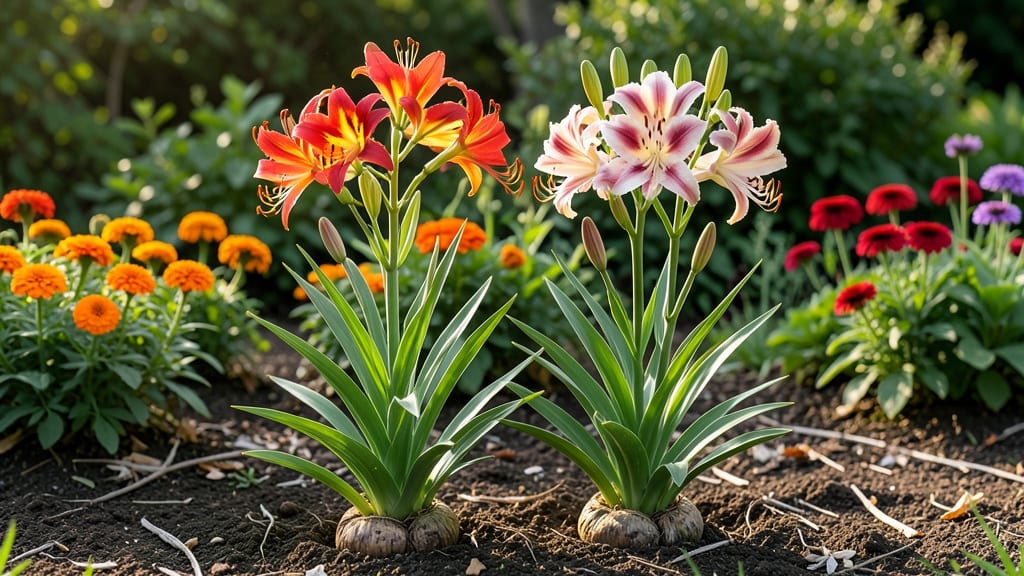
Lilies don't bloom all summer; they typically flower for just 2-4 weeks during late spring to early fall, with specific varieties like Asiatic lilies blooming in June and Oriental lilies peaking in July-August. Some cool-season types may produce a second, shorter bloom cycle with proper care.
Lily blooming seasons are actually quite precise, dictated by their natural growth cycles. 🌸 Most varieties follow a strict schedule tied to temperature changes and daylight hours, which is why you'll see them burst into color for such a short window each year.
The key difference between early and late bloomers comes down to their genetic programming—Asiatic lilies, for example, evolved to take advantage of the warm June weather, while Oriental types prefer the slightly cooler July and August temperatures.
This isn't just about aesthetics; understanding these patterns helps gardeners plan their landscapes more effectively and avoid disappointment when their lilies don't perform year-round.
What's interesting is how climate zones affect these timelines. In warmer southern regions, lilies might start blooming earlier, while northern gardeners often get a delayed but equally vibrant display.
The good news is that with proper care—like consistent watering, balanced fertilization, and strategic deadheading—you can sometimes coax a second, smaller bloom cycle from perennial varieties in late summer or even early fall.
💡 In This Article
- Lily Blooming Seasons by Variety and Climate Zones
- Extending Lily Blooms: Pruning, Deadheading, and Soil Care
Lily blooming seasons by variety and climate zones
Lilies follow a biological clock tied to photoperiodism—their response to changing daylight hours and temperature shifts. Most true lilies (Lilium species) bloom in late spring to early fall because they require 10-14 hours of daylight combined with soil temperatures above 55°F (13°C) to trigger flowering.
Asiatic lilies, for instance, detect the lengthening days of late May and respond by producing buds in early June, while Oriental lilies wait until July when temperatures stabilize between 70-80°F (21-27°C). This delay isn't random—it's an evolutionary adaptation to avoid competing with early bloomers for pollinators.
The science gets even more precise when considering chilling requirements. Many lilies need 6-8 weeks of cool temperatures (40-50°F/4-10°C) during dormancy to properly develop flower buds for the next season.
This is why northern climates often see earlier blooms—lilies planted in zones 5-7 get their chilling period naturally, while southern gardeners may need to simulate it with shade cloth or strategic planting times.
Trumpet lilies (like 'Stargazer') are exceptions—they often bloom slightly later (July-August) because their thicker stems require more energy to develop, which takes longer in warmer conditions.
Daylilies (Hemerocallis) follow a different rhythm—they bloom continuously for 4-6 weeks during their peak season (late spring to early summer) because each flower only lasts 24 hours, prompting rapid succession blooming. This creates the illusion of non-stop color, but it's actually a rapid turnover system.
True lilies, however, produce fewer but longer-lasting blooms (each lasting 5-7 days) on the same stem, which is why their flowering windows appear more concentrated. The contrast between these mechanisms explains why daylilies seem more "summer-long" while true lilies have distinct peak periods.
Climate zones create dramatic variations in timing. In the Pacific Northwest, lilies might start blooming in mid-May due to cooler springs, while Florida gardeners often see their first buds in late June as the heat builds.
High-altitude gardens (above 5,000 feet) can experience 2-3 week delays in blooming compared to sea level. This regional variation is why seed packets and nursery tags specify both variety names AND recommended planting zones—it's not just about the lily type, but how your local climate interacts with its biological needs.
What's fascinating is how some varieties defy expectations. Martagon lilies (Turk's cap lilies), for example, often bloom in late June to early July but may produce a second, smaller flush in late August if given consistent moisture.
This secondary blooming occurs because their genetic programming includes a backup flowering mechanism triggered by shorter daylight hours in late summer. The key difference? These late blooms are typically 20-30% smaller in size and number, which explains why they're often overlooked in garden planning.
For gardeners in transitional climates (like zone 7b), this means timing is everything. Planting Asiatic lilies in early spring gives them maximum time to establish roots before their June bloom window, while Oriental lilies benefit from late spring planting to avoid early heat stress.
The 10°F (5.5°C) temperature difference between morning and evening in these zones actually enhances bud formation—a phenomenon called "thermal oscillation" that many gardeners unknowingly rely on for better blooms.