
Blooming
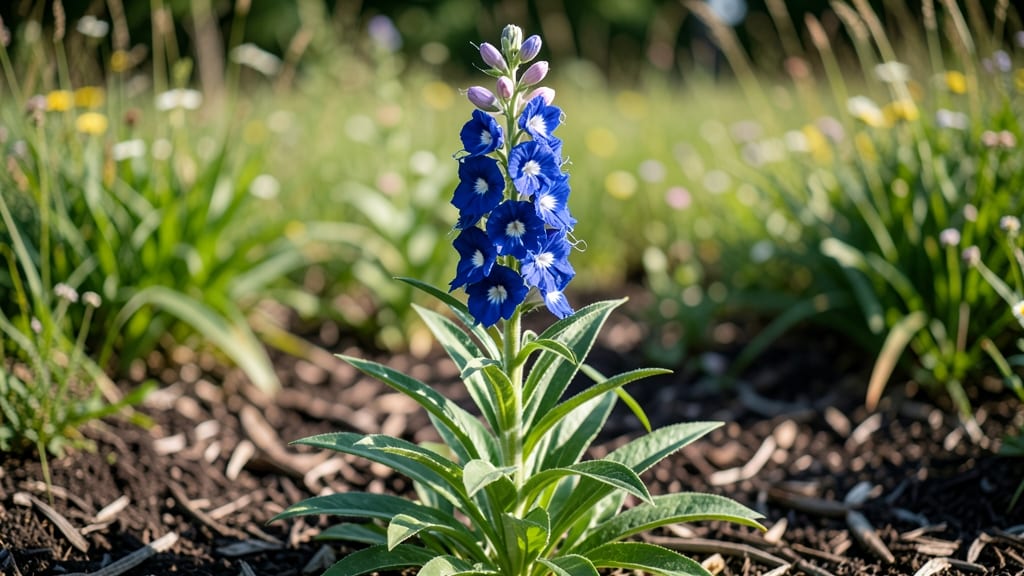
Delphiniums do not bloom all summer continuously; they typically produce vibrant flowers for 4-6 weeks in spring to early summer, with sporadic reblooming under ideal conditions like consistent moisture and deadheading. Varieties like 'Pacific Giant' may extend blooming with proper care.
Delphiniums follow a natural bloom cycle tied to seasonal energy shifts—think of them as seasonal performers rather than year-round stars. 🌸 Their first flush of flowers appears when days lengthen and temperatures warm, but after 4-6 weeks, they redirect energy toward seed production unless you intervene.
The key to encouraging sporadic reblooms lies in deadheading spent blooms (removing faded flowers) and maintaining even moisture, which tricks the plant into thinking it's still spring. I've seen 'Pacific Giant' varieties push blooming into early fall with this care, though never as prolifically as their spring display.
What's fascinating is how these plants balance growth and bloom—delphiniums are essentially "one-season wonders" unless you help them along. Proper staking improves air circulation, reducing stress that can cut blooms short, while regular feeding with phosphorus-rich fertilizer supports flower production.
Even with ideal care, expect a gradual decline in bloom intensity after that initial 6-week burst, but the right techniques can stretch their season by weeks.
💡 In This Article
- Delphinium Bloom Cycles: Why They Don’t Flower Year-Round
- Extending Delphinium Blooms: Proven Care Techniques for Longer Seasons
Delphinium bloom cycles: why they don’t flower year-round
The secret behind delphiniums' seasonal bloom lies in their natural growth strategy. These perennials follow a pattern called "monocarpic flowering," where they prioritize one major bloom cycle each year before redirecting energy to seed production.
After their 4-6 week spring display, the plant shifts focus to developing seed pods—nature's way of ensuring survival through propagation rather than continuous flowering. 🌿 This biological trade-off explains why even well-cared-for delphiniums rarely produce year-round blooms without human intervention.
Daylight length and temperature act as critical triggers for their bloom cycles. Delphiniums respond to increasing daylight hours in spring (a process called photoperiodism), which signals the plant to initiate flowering. The ideal temperature range for blooming is 60-75°F, with cooler nights actually enhancing flower production.
Once summer heat intensifies, many varieties enter a natural dormancy phase, conserving energy for next year's growth. This explains why even 'Pacific Giant' delphiniums—known for their extended blooming—typically peak in late spring and gradually taper off by midsummer.
Pruning plays a surprising role in reblooming potential. When you remove spent flower spikes (deadheading), you eliminate the plant's incentive to produce seeds, which can trigger a second, though smaller, bloom cycle. However, this works best with half-hardy varieties that haven't fully committed to seed production.
The catch? Each subsequent bloom requires more energy, so the flowers will be fewer and smaller than the initial display. Think of it like a plant version of marathon running—it can push through, but with diminishing returns. 🏃♂️
Soil fertility also determines bloom longevity. Delphiniums thrive in well-draining soil with adequate phosphorus (the "flower power" nutrient), but they're sensitive to excess nitrogen, which promotes leafy growth at the expense of blooms.
The right balance—typically a 10-20-10 fertilizer ratio—can extend their flowering season by providing the energy needed for multiple bloom cycles. Without proper nutrition, even the most diligent deadheading won't prevent that inevitable summer slowdown.
What most gardeners miss is how delphiniums' growth habit affects their blooming potential. These plants grow from a basal rosette, meaning their flower stems emerge from the center. As the season progresses, these stems become top-heavy and prone to flopping, which stresses the plant and can shorten its bloom time.
Proper staking (using 3-foot bamboo stakes for taller varieties) improves air circulation around the foliage, reducing stress and potentially extending the bloom period by 2-3 weeks.
The bottom line? Delphiniums are seasonal performers by design, not year-round stars. Their natural cycle prioritizes reproduction over continuous display, which is why even the most dedicated gardeners rarely achieve summer-long blooms. The good news?
With strategic deadheading, proper nutrition, and smart pruning, you can coax them into producing sporadic blooms through early fall—just don't expect the same volume or vibrancy as their spring debut. 🌸