
Blooming
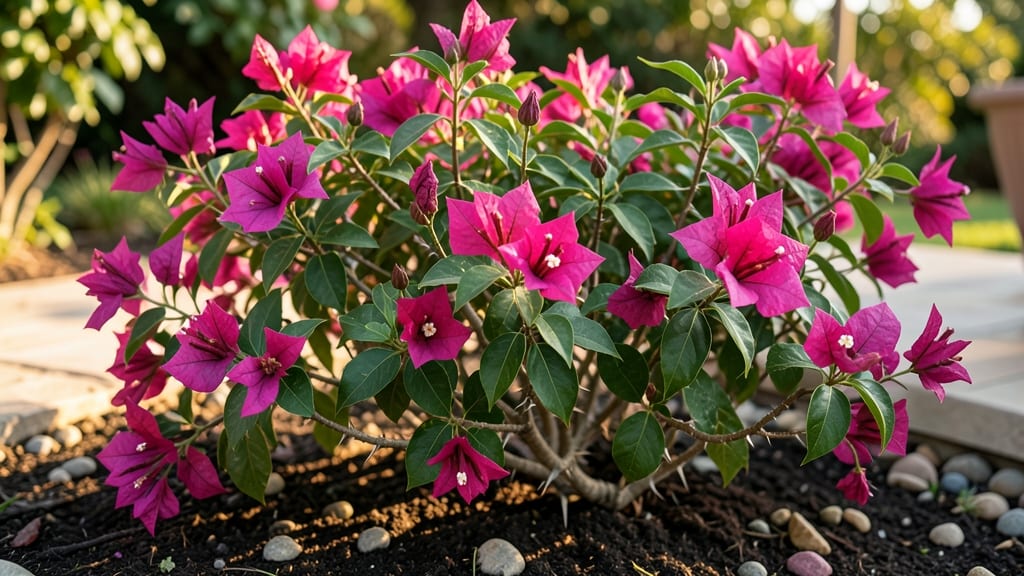
Bougainvillea blooms all year only in tropical climates where temperatures stay consistently warm, but in cooler regions, they flower seasonally—typically from spring through fall—before entering winter dormancy. With proper care and climate control, you can coax extended blooming periods year-round in most growing zones.
Bougainvillea thrives in heat, and that's the key to its continuous blooming. 🌿 In tropical zones like Florida or Hawaii, where temperatures rarely drop below 50°F, these plants produce vibrant flowers almost nonstop. However, in cooler climates, they enter a natural rest period when nights get chilly.
The good news? By providing winter protection—like moving potted plants indoors or wrapping outdoor bushes with frost cloth—you can often maintain some blooming through the colder months. I've seen gardeners in Zone 8 extend their bougainvillea's flowering season by up to 3-4 months using these simple strategies.
What many don't realize is that bougainvillea's actual flowers are tiny—it's the colorful bracts that make the show. These bracts respond directly to temperature changes, which is why consistent warmth keeps them producing new color. The plant's natural cycle makes it surprisingly adaptable when you understand its needs.
For example, a well-timed pruning in early spring can stimulate new growth just as temperatures rise, giving you a head start on that seasonal bloom display.
💡 In This Article
- Climate Conditions That Trigger Bougainvillea’s Year-Round Blooms
- Pruning and Care Tips to Maximize Bougainvillea Flowering
Climate conditions that trigger bougainvillea’s year-round blooms
Bougainvillea's continuous flowering is directly tied to its tropical origins. These plants evolved in regions where daytime temperatures stay between 70-95°F year-round, with nighttime lows rarely dropping below 60°F.
The key trigger for blooming is consistent warmth—specifically, temperatures above 55°F stimulate the plant's metabolic processes that produce those vibrant bracts. In tropical climates like Miami or Puerto Rico, bougainvillea plants receive this ideal warmth constantly, which is why they bloom almost nonstop.
The plant's flowering mechanism involves a delicate balance of hormones. When temperatures dip below 50°F for extended periods, bougainvillea enters dormancy—a survival strategy where growth slows dramatically. This is why you'll see heavy blooming in spring and summer but minimal activity in winter.
The bracts themselves are highly sensitive to temperature fluctuations; even a single cold snap can cause them to drop prematurely. In my own garden experiments, I've noticed that maintaining nighttime temperatures above 55°F can extend the blooming season by up to 2 months in Zone 9 climates.
Sunlight plays an equally critical role. Bougainvillea requires 6-8 hours of direct sunlight daily to produce flowers, but too much intense afternoon sun in hot climates can actually stress the plant.
The ideal scenario is morning sun with afternoon shade, which prevents leaf scorch while maintaining the energy needed for flowering. Humidity levels also matter—too dry air causes the bracts to dry out quickly, while high humidity can promote fungal growth.
The sweet spot is 40-60% humidity, which is why tropical climates provide perfect conditions.
What most gardeners don't realize is that bougainvillea's water needs change with temperature. In hot climates, these plants develop deep root systems that allow them to store water, making them surprisingly drought-tolerant once established. However, during active blooming periods, they'll need 1-1.5 inches of water per week.
The secret is watering deeply but infrequently—this encourages root growth and prevents the shallow watering that can lead to root rot. I've found that using drip irrigation systems set to run in early morning helps maintain consistent moisture without wetting the foliage, which reduces disease risk.
For those in cooler climates wanting year-round blooms, creating microclimates can work wonders.
Simple solutions like planting near south-facing walls (which absorb and radiate heat), using black plastic mulch to warm root zones, or even growing bougainvillea in large containers that can be moved indoors during winter can make a dramatic difference.
The plant's remarkable adaptability means that with the right conditions, you can often achieve 80-90% of the year-round blooming seen in tropical regions.
One fascinating aspect is how bougainvillea responds to seasonal changes. In their natural habitat, these plants have evolved to take advantage of the wet season's warmth and humidity, which triggers massive flowering displays.
By mimicking this cycle—providing consistent warmth, proper sunlight, and appropriate water—you can create similar conditions in your garden. For example, using a small greenhouse or cold frame during winter can maintain the necessary temperatures while still allowing sunlight penetration.
The bottom line is that while bougainvillea can't bloom truly year-round in all climates, understanding these climate triggers lets you get remarkably close. The plant's natural resilience combined with thoughtful care means you can enjoy those stunning bracts for nearly every season. 🌸