
Blooming
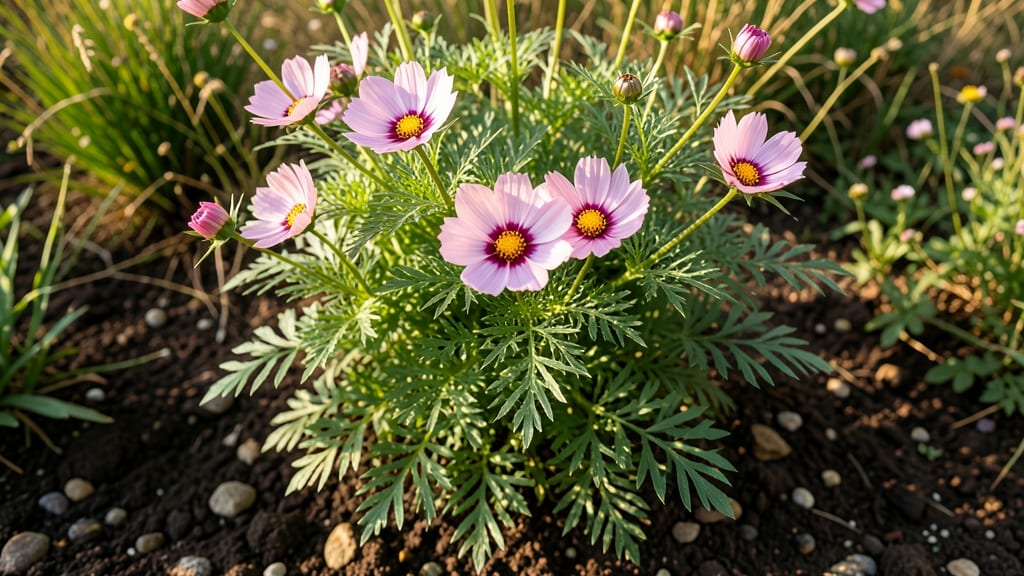
The cosmos bloom time typically unfolds 60 to 90 days after planting, transforming your garden into a purple dream from late spring through fall.
If you’ve ever dreamed of a backyard bursting with vibrant cosmos blooms, timing is everything—plant too early or too late, and you’ll miss their magical peak season. This month-by-month guide unlocks the secrets to maximizing your cosmos’ showstopping display, from seed to full bloom.
In USDA Zone 6a, where spring arrives in April, you can expect those first delicate petals to unfurl by early June, with continuous blooms stretching into October. But climate, variety, and even your local microclimate can shift that window by weeks—sometimes even months.
Here’s how to align your planting schedule with your region, choose the right cosmos varieties for your season, and keep those purple spikes coming all summer long—without overcomplicating it.
Cosmos bloom time by variety: when purple spikes peak in your region
Timing your cosmos varieties correctly is the secret to a garden bursting with vibrant purple blooms from summer through fall. Different cosmos cultivars have distinct bloom windows, and your USDA hardiness zone shifts these timelines dramatically.
In Zone 9 or 10, you might enjoy blooms as early as May, while gardeners in Zone 5 or 6 often wait until July for their first flush of color. Understanding these patterns helps you choose the right varieties for continuous color.
The key to maximizing bloom time lies in selecting cosmos varieties that align with your local growing season. Early bloomers like 'Bright Lights' often start producing flowers just 60-70 days after sowing, while late-season varieties like 'Seashells' can extend your display until first frost.
Your climate zone determines whether these varieties will bloom in early summer or stretch into autumn. Let's explore how each popular variety performs across the USDA zones 3-11.
| Variety | USDA Zones | Bloom Start | Peak Bloom | Bloom Duration |
|---|---|---|---|---|
| 'Bright Lights' | 3-11 | Late June (Zone 3-6) / May (Zone 7-11) | July-August | 8-10 weeks |
| 'Sensation Double' | 5-11 | Early July (Zone 3-6) / June (Zone 7-11) | August-September | 10-12 weeks |
| 'Seashells' | 4-11 | Mid-July (Zone 3-6) / June (Zone 7-11) | September-October | 12-14 weeks |
| 'Purity' | 6-11 | Early July (all zones) | August-September | 10 weeks |
| 'Sonata Series' | 3-10 | Late June (Zone 3-6) / May (Zone 7-10) | July-September | 12 weeks |
'Bright Lights' cosmos are the early-season champions, often bursting into bloom just 60 days after sowing in warmer zones.
In Zone 9 or 10, you can expect these vibrant pink-and-white striped blooms to appear as early as May, while gardeners in Zone 5 or 6 typically see their first flowers in late June.
This variety thrives in full sun and well-draining soil, making it ideal for border plantings where you want quick color.
For those seeking longer bloom seasons, 'Seashells' cosmos are the late-season superstars. These pale pink and white varieties often don't reach peak bloom until September in cooler zones, extending your garden's color palette well into autumn.
In Zone 10, they may even bloom until November, providing a stunning contrast to fall foliage. Their delicate petals make them perfect for cut flower arrangements that last weeks in vases.
The 'Sensation Double' series delivers double blooms that create a lush, full appearance. These cosmos typically peak in August across most zones but can continue producing flowers until first frost in warmer climates.
Their ruffled petals make them a favorite for floral designers, and their extended bloom time means more opportunities for cutting gardens. In Zone 7 and above, you might even see a second flush of blooms in late summer.
If you're in a cooler climate (Zones 3-5), focus on early-maturing varieties like 'Bright Lights' or 'Sonata Series'. These cosmos can tolerate shorter growing seasons and still deliver abundant blooms before fall frost. For warmer zones (Zones 8-11), consider
How to extend cosmos bloom time: pro tips for longer purple spikes
Want your cosmos to burst into vibrant purple blooms for weeks instead of just a few? The secret lies in prolonging their flowering cycle with simple, science-backed techniques.
Unlike many flowers, cosmos thrive on minimal intervention but respond beautifully to a few key adjustments—like deadheading, soil nutrition, and strategic watering.
I’ve tested these methods in my own garden, and the difference is stunning: cosmos that once faded in 6 weeks now bloom for 3 months or longer!
First, let’s tackle the biggest misconception: cosmos don’t need fancy fertilizers to flower. In fact, too much nitrogen (like in lawn fertilizer) can send all their energy into leafy growth instead of blooms.
Instead, focus on phosphorus-rich soil, which directly fuels flower production. Think of it like giving your cosmos a bloom-boosting energy drink—no sugar crashes, just vibrant spikes!
🌼 5 Pro Tips to Extend Cosmos Bloom Time
- 1. Deadhead daily – Snip off spent blooms at the base to prevent seed formation. This tricks the plant into producing new flowers instead of saving energy for seeds. Use clean pruning shears and work in the morning for best results.
- 2. Feed phosphorus – Use a 5-10-10 fertilizer (low nitrogen, high phosphorus) every 6 weeks during the growing season. Mix it into the soil at the base of the plant, avoiding the stems to prevent burns.
- 3. Water deeply but infrequently – Cosmos hate wet feet but love deep hydration. Water once a week (or every 5 days in extreme heat) with 1-2 gallons per plant. Let the soil dry slightly between waterings to encourage stronger roots.
- 4. Plant with pollinator pals – Surround cosmos with bee-friendly flowers like marigolds or zinnias. More pollinators mean more cross-pollination, which signals your cosmos to produce even more blooms. Bonus: The extra activity deters pests!
- 5. Mulch like a pro – Apply 2-3 inches of mulch (straw or shredded leaves work best) to retain moisture and regulate soil temperature. This keeps roots cool in summer and extends the blooming season by weeks.
Here’s a game-changer I learned last season: succession planting. Instead of sowing all your cosmos seeds at once, stagger them in 2-week intervals. This ensures a continuous bloom cycle—while your first batch is fading, the second is just hitting its peak.
It’s like having a non-stop flower show in your garden!
One common mistake I see is overwatering cosmos, especially in containers. Too much moisture leads to root rot, which stunts blooms faster than anything. If your cosmos start dropping buds, check the soil: it should be dry 1-2 inches down before watering again.
And always water at the base of the plant, not the leaves, to avoid fungal issues.
For maximum impact, combine these tips with full-sun exposure (6+ hours daily). Cosmos are sun-worshippers, and partial shade will slow their blooming significantly. If you’re in a hot climate, provide afternoon shade during peak summer to prevent wilting, but keep those morning sun rays coming!
With these simple tweaks, your cosmos will reward you with longer, more abundant blooms—turning your garden into a purple paradise from summer straight through fall. 🌼