
Blooming
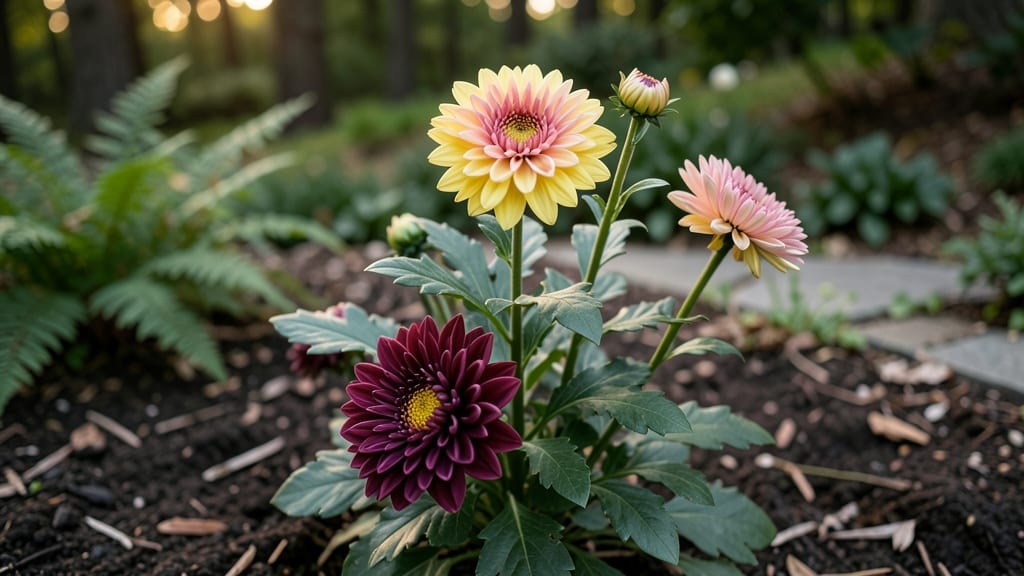
Chrysanthemum blooms arrive when daylight shrinks and temperatures dip 🌼 — but with the right tricks, you can shift that timing by weeks or even months.
Picture this: your garden bursting with fall colors in September instead of waiting until October, or pushing blooms back to extend your seasonal display. The secret lies in understanding how light and temperature work together to trigger those vibrant blooms — and how to tweak them for your perfect schedule.
Most gardeners assume chrysanthemums will bloom when they're ready, but the truth is they respond dramatically to daylight hours and nighttime temperatures.
In USDA Zone 6a, where I garden, the natural bloom window runs from late September through October — but with a few adjustments, you can coax flowers as early as August or stretch them into November.
Here’s how to control the timing: we’ll break down the light exposure rules that force blooms, the temperature hacks that delay or advance them, and the common mistakes that sabotage your schedule. Ready to take charge of your chrysanthemum’s calendar?
How light exposure controls chrysanthemum bloom time
Chrysanthemums are short-day plants, meaning their bloom time is triggered by decreasing daylight hours—a phenomenon called photoperiodism. When days grow shorter in late summer, these plants receive the signal to shift from vegetative growth to flower production.
Understanding this natural rhythm lets you predict and manipulate when your chrysanthemums will burst into color, ensuring they bloom exactly when you want them to.
Most chrysanthemum varieties need 12-14 hours of darkness per day to initiate blooming. This typically happens when daylight drops below 12 hours, which in most U.S. regions occurs in late August to early September.
However, some early-blooming varieties can start forming buds even with 13 hours of daylight, while late-season types may wait until 11 hours or less of light.
Light manipulation is your secret weapon for adjusting bloom times. By controlling how much light your chrysanthemums receive, you can delay or advance their flowering by weeks. For example, covering plants with black fabric or shade cloth during the afternoon hours can trick them into thinking days are shorter, prompting earlier blooms. Conversely, extending light exposure with grow lights can push back flowering until you're ready.
If you're aiming for early fall blooms, start manipulating light in mid-July. Cover your chrysanthemums with blackout fabric for 4-6 hours during the afternoon to simulate shorter days.
For late-season blooms, extend light exposure using LED grow lights for 2-3 hours after sunset starting in early September. This extra light delays the photoperiodic response, keeping your plants in vegetative mode longer.
For container-grown chrysanthemums, light control is even easier. Simply move pots to shadier locations or under patio covers during peak afternoon sunlight to shorten the effective daylight period.
In USDA Zones 7-9, this technique can push blooms forward by 2-3 weeks, perfect for extending your garden's fall display into early winter.
Regional differences matter too. In northern climates like Zone 5, chrysanthemums naturally bloom later due to shorter days starting earlier. Meanwhile, in southern zones (8-10), where days shorten more gradually, you may need to force shorter days earlier to get blooms before frost.
Always monitor your local sunset times and adjust accordingly.
Remember, light quality also plays a role. Chrysanthemums thrive under full-spectrum sunlight, but blue light wavelengths (from LED grow lights) are particularly effective for extending daylight artificially. If using artificial light, position fixtures 12-18 inches above plants
Temperature tricks to extend or advance chrysanthemum flowering
Chrysanthemums are temperature-sensitive plants that thrive when you fine-tune their environment. The right daytime highs and nighttime lows can push blooms earlier or stretch them later into fall. For most varieties, ideal daytime temperatures range between 60°F and 75°F, while nights should stay above 50°F to prevent dormancy.
Urban gardens often trap heat, creating microclimates that can accelerate blooming by 1-2 weeks compared to rural areas.
In USDA Zones 5-7, where frosts arrive early, I use row covers or cold frames to protect plants during chilly nights. This simple trick extends the blooming window by 3-4 weeks, letting me enjoy chrysanthemums well into November.
For zones 8-10, where winters are milder, I focus on heat management—shade cloth during heatwaves prevents buds from dropping prematurely.
To advance blooming, I start by warming soil temperatures in early summer. Burying black plastic mulch around plants raises soil temps by 5-10°F, signaling chrysanthemums to initiate flowering 2-3 weeks early.
For delayed blooms, I use shade cloth during peak summer heat, which can push back flowering by 10-14 days—perfect for extending fall displays.
Nighttime temperatures are equally critical. When nights drop below 55°F, chrysanthemums may pause blooming until conditions improve. In my Zone 6 garden, I use frost blankets on young plants to maintain nighttime temps above 50°F, ensuring continuous bud development.
This is especially useful for spider mums and cushion varieties, which are more sensitive to cold snaps.
Urban gardeners have an advantage with heat island effects. Concrete and pavement radiate heat, creating 5-10°F warmer microclimates than rural areas. I leverage this by planting chrysanthemums near south-facing walls or dark-colored containers, which absorb and radiate heat.
This natural warming can extend blooming by 3-4 weeks compared to cooler suburban gardens.
For hardiness zone adjustments, remember these rules: Zones 3-4 need extra protection—use greenhouse setups or container gardening for mobility. Zones 8-10 require heat management—prioritize afternoon shade and evening watering to