
Blooming
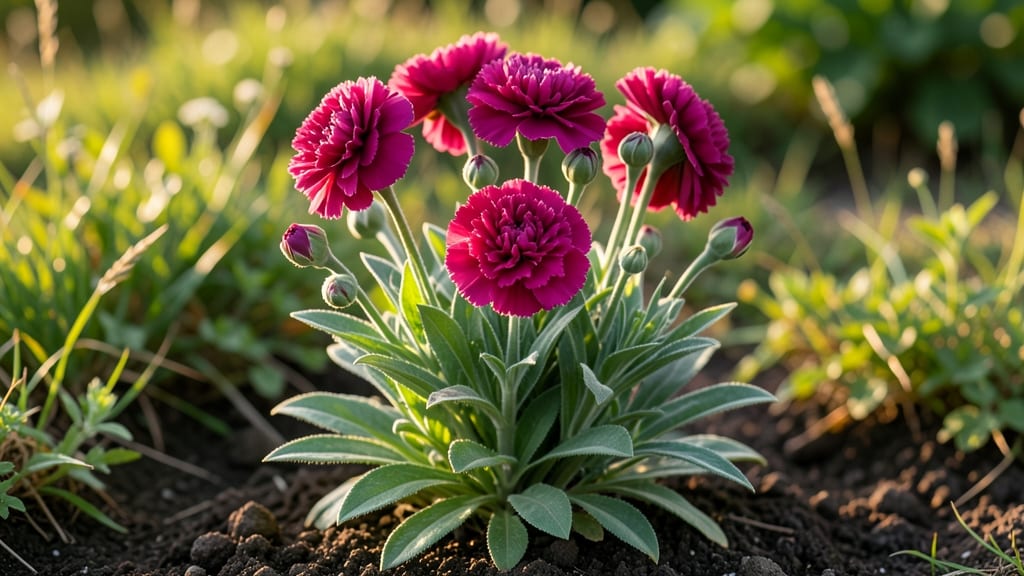
Carnations bloom in 60 to 150 days depending on the variety, but most gardeners miss the exact timing that ensures vibrant, long-lasting flowers.
Picture this: you’ve waited months for those 🌸 buds to open, only to wonder why some varieties bloom in 8 weeks while others take twice as long. The secret lies in the right mix of light, soil, and care—factors that can shift bloom windows by weeks.
In USDA Zone 6a, spring-planted carnations typically burst into color by June, but summer heat or partial shade can delay them until August. Meanwhile, perennial types might reward you with year-round blooms if you deadhead regularly and feed them at the right times.
Below, I break down the precise bloom windows for spray, standard, and mini carnations, plus 5 science-backed tricks to speed up blooms without chemicals. Ready to turn your garden into a nonstop floral show?
Exact carnation bloom time by variety: from 8 to 16 weeks
Carnations are beloved for their long-lasting blooms and diverse varieties, but their bloom time varies dramatically depending on the type. Whether you're growing spray carnations for bouquets or mini carnations in containers, knowing the exact timeline helps you plan for seasonal color.
Most varieties bloom between 8 to 16 weeks after planting, but factors like light exposure, temperature, and care practices can shift this window by weeks.
The fastest bloomers are typically spray carnations, which can produce flowers in as little as 8 to 10 weeks under ideal conditions. On the other end, perennial carnations may take 12 to 16 weeks or longer, especially if grown from seed.
Understanding these differences ensures you time your plantings for continuous blooms throughout the growing season. Let’s break down the bloom timelines for the most popular carnation varieties.
| Variety | Bloom Time (Weeks) | Seasonal Peak | Notes |
|---|---|---|---|
| Spray Carnations | 8–10 weeks | Spring–Fall | Best for bouquets; fastest bloomers. Thrives in full sun. |
| Standard Carnations | 10–14 weeks | Late Spring–Summer | Classic single-stem varieties. Needs well-draining soil. |
| Mini Carnations | 9–12 weeks | Summer–Early Fall | Perfect for containers. Compact growth; deadhead for repeat blooms. |
| Perennial Carnations | 12–16 weeks | Late Summer–Fall | Long-lived; blooms yearly. Tolerates cooler temps. |
| Dwarf Carnations | 10–13 weeks | Spring–Summer | Ideal for bedding plants. Prune to encourage bushiness. |
If you're planting carnations in early spring, spray carnations will likely bloom first, around late May to June, while perennial varieties may not reach their peak until July or August.
For a year-round display, stagger your plantings by 4 to 6 weeks, starting with fast-growing spray types and ending with perennial varieties. This technique ensures you have continuous blooms from spring through fall.
Your climate zone plays a critical role in bloom timing. In warmer zones (8–10), carnations may bloom 2 to 4 weeks earlier than in cooler zones (5–7).
For example, a spray carnation planted in Zone 9 might flower in 7 weeks, while the same variety in Zone 6 could take 10 to 12 weeks. Adjust your planting schedule by 1 to 2 months if you live in a shorter growing season area.
Light exposure is another game-changer for bloom speed. Carnations need 6+ hours of direct sunlight daily to reach their full bloom potential. In partial shade, bloom time can stretch by 2 to 3 weeks, and flowers may be smaller and less vibrant.
If you’re growing carnations in containers or shady gardens, supplement with a grow light for 4–6 hours daily to maintain the optimal bloom timeline.
Soil quality also impacts bloom timing. Carnations prefer well-draining, slightly acidic soil (pH 6.0–7.0). If your soil is too heavy or alkaline, bloom time can double.
Amend your soil with compost or perlite before planting, and use a balanced fertilizer (10-10-10) every 4–6 weeks during the growing season. This ensures your carnations bloom on schedule and stay healthy.
Deadheading—removing spent blooms—is a must-do to encourage repeat flowering and maintain the bloom cycle. For spray and mini carnations, deadhead weekly to trigger new blooms every 2–3 weeks. With perennial varieties, deadhead
How light exposure affects carnation bloom speed (and how to optimize it)
Carnations thrive under full sun exposure, but their bloom speed can vary dramatically based on light conditions. Too little sunlight delays flowering, while optimal light triggers faster, more abundant blooms. Understanding your carnations' light needs is key to unlocking their full potential.
Most carnation varieties require 6 to 8 hours of direct sunlight daily to reach their peak bloom time. However, some partial shade-tolerant varieties can adapt to 4-6 hours of sun, though their blooms may take longer to develop.
The difference in bloom speed can be as much as 4-6 weeks between full sun and partial shade conditions.
If your carnations aren't getting enough sunlight, consider relocating them to a sunnier spot in your garden. South-facing windows or south-facing garden beds are ideal for container-grown carnations. Even just 2 extra hours of sunlight daily can cut bloom time by 1-2 weeks.
For indoor carnations, supplement natural light with grow lights (12-14 hours daily) to mimic full sun conditions. Place lights 6-12 inches above plants and use a timer for consistency. This method can accelerate blooming by 30% compared to low-light conditions.
Pruning also plays a role in optimizing bloom speed. Pinch back new growth tips when plants reach 6-8 inches tall to encourage bushier growth and more blooms. Remove spent flowers regularly to redirect energy toward new buds, which can shorten bloom time by 1-2 weeks.
Remember, consistent light exposure is more important than intensity. Gradual adjustments (like moving plants slowly from shade to sun) prevent stress, which can delay blooming. Monitor your carnations' response and adjust their placement as needed for the fastest, most vibrant blooms. 🌸