
Blooming
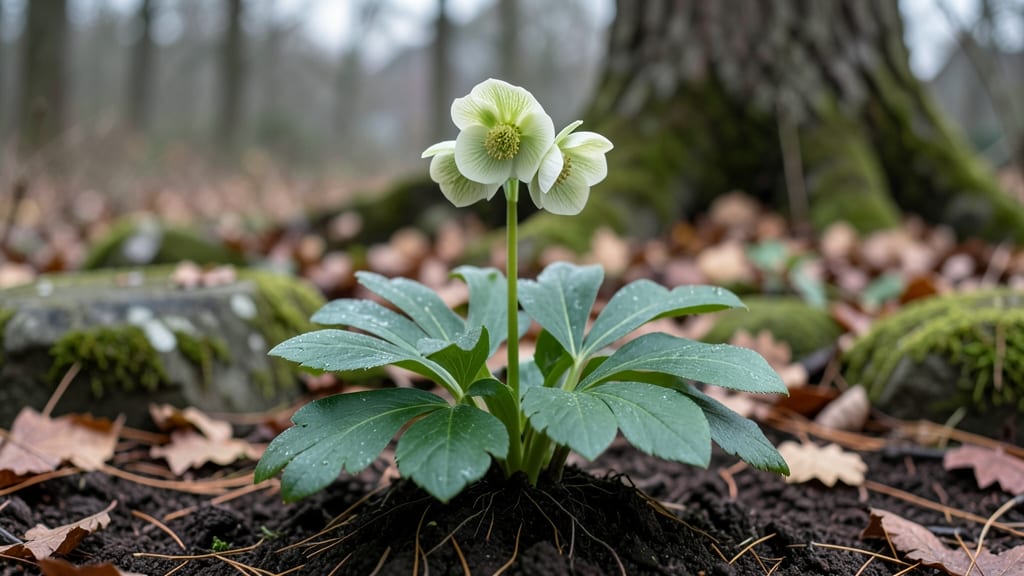
Green blooms that's the that quiet rebels of the garden—soft, unexpected, and utterly striking. 🌿 I’ve always loved how they turn heads without trying, blending seamlessly into foliage while still demanding attention.
These plants bring a modern, earthy elegance to any space, especially when paired with bold contrasts or left to shine on their own.
What makes them special? Unlike bright flowers that scream for attention, green blooms whisper sophistication. They’re perfect for low-light spots where most plants struggle, yet they still draw in pollinators with their subtle charm. Think of them as the unsung stars of garden design—versatile, resilient, and endlessly creative.
Picture a cottage garden where lime-green clematis spills over a trellis, or a minimalist container bursting with chartreuse pelargoniums. They work in borders, hanging baskets, or even as striking focal points. The best part? Their color stays fresh all season, never fading like seasonal blooms.
Whether you’re going for a zen-inspired retreat or a playful, eclectic look, green flowers are the secret weapon. They bridge the gap between nature and design, proving that sometimes, the most unexpected choices create the most memorable gardens.
Root Causes Of Unwanted Green Blooms
When your prized plants produce lush green blooms instead of vibrant colors, it’s often a sign that something fundamental is off—whether in their care, environment, or biology. Understanding these triggers helps you correct the issue and restore the showstopping hues you love.
Here’s a breakdown of the key culprits behind green blooms, backed by science and actionable fixes.
Plants rely on light to trigger the production of anthocyanins and other pigments responsible for bold colors. Without adequate light—especially blue and red spectrum wavelengths—your plants may revert to producing chlorophyll, the green pigment essential for photosynthesis but not for color.
This is particularly common in low-light conditions or when plants are shaded too much.
- 💡 Why it happens: Low-light conditions force plants to prioritize survival over pigment production. Many flowering plants (like Calatheas or Peperomias) will produce green blooms or revert to foliage-like growth when light is insufficient.
- 📊 The science: Chlorophyll absorbs blue and red light to fuel photosynthesis. In dim settings, plants "downshift" to chlorophyll-heavy growth, suppressing color-producing compounds.
- ✅ Actionable fix:
- Move plants to bright, indirect light (e.g., near east- or north-facing windows). Avoid direct sun, which can scorch leaves.
- Supplement with grow lights (LED bulbs with full-spectrum or red/blue ratios) for 12–14 hours daily if natural light is lacking.
- Rotate plants quarter-turns weekly to ensure even light exposure.
Extreme or inconsistent temperatures can disrupt the metabolic pathways that produce vibrant pigments. While some plants thrive in cooler conditions (like African Violets), others—such as Begonias or Impatiens—need stable warmth to trigger color development.
Stress from temperature swings can also cause chlorosis (yellowing/greening of blooms) as the plant redirects energy to survival.
- 🔥 Why it happens: Temperature affects enzyme activity in pigment synthesis. For example, anthocyanin production (responsible for red/purple hues) peaks at optimal temps but shuts down in heat or cold stress.
- 📊 The science: Cool nights (55–65°F) often enhance color in plants like Petunias, while excessive heat (>85°F) can bleach or green blooms by increasing chlorophyll dominance.
- ✅ Actionable fix:
- Research your plant’s ideal temperature range (e.g., Orchids need 60–80°F; Caladiums prefer 65–75°F).
- Avoid drafts (AC vents, heaters) or sudden shifts. Use a thermometer to monitor microclimates.
- For heat-sensitive plants, provide afternoon shade in summer or use a fan for airflow.
Overwatering or underwatering disrupts nutrient uptake, while deficiencies in magnesium, phosphorus, or nitrogen can lead to green, weak, or chlorotic blooms. Even excess salts or fertilizers can block pigment production by stressing the plant’s cellular machinery.
- 💧 Why it happens:
- Overwatering: Roots suffocate, starving the plant of oxygen and nutrients. This triggers chlorophyll overproduction as a survival mechanism.
- Underwatering: Stress hormones like abscisic acid ramp up, diverting energy away from pigment synthesis.
- Nutrient lockout: High salt levels (from tap water or fertilizers) prevent roots from absorbing potassium or calcium, critical for color development.
- 📊 The science: Phosphorus (P) is key for flavonoid production (pigments like anthocyanins). A deficiency forces plants to prioritize basic metabolic functions, resulting in green, dull blooms.
- ✅ Actionable fix:
- Water wisely: Use the finger test—stick your finger 1–2 inches into soil. Water only when dry. Ensure pots have drainage holes.
- Flush salts: Monthly, water plants until liquid runs freely from the bottom for 5–10 minutes to leach excess salts.
- Fertilize smartly: Use a balanced liquid fertilizer (e.g., 10-10-10) every 4–6 weeks. For bloomers, opt for a phosphorus-rich formula (e.g., 5-10-5) during flowering.
Not all green blooms are a cause for concern! Some plants are genetically predisposed to produce green flowers, especially in low-light conditions or as they mature. Variegated plants (like Green Goddess Impatiens) or species such as Chlorophytum (Spider Plant) naturally have green blooms as part of their design.
- 🌿 Why it happens: Certain cultivars are bred for foliage interest or low-light tolerance, sacrificing vibrant blooms for resilience. Others, like Hoya carnosa ‘Variegata’, may produce green-tinged flowers as a natural variation.
- 📊 The science: Some plants have reduced anthocyanin pathways due to selective breeding. For example, green Begonias lack the enzymes needed to produce red/pink pigments.
- ✅ Actionable fix:
- Accept the plant’s natural traits—green blooms may still be beautiful in their own way!
- If you want color, choose a different cultivar (e.g., swap a green Calathea for a pink Calathea orbifolia).
- For variegated plants, avoid over-fertilizing with nitrogen, which can intensify green at the expense of subtle patterns.
By identifying the root cause—whether it’s light, temperature, water, or genetics—you can take targeted steps to coax back the colors you love. Experiment with adjustments and observe how your plants respond over weeks, not days!
Revitalize Your Low-Light Plants
Transforming a dull, green bloom into a vibrant, year-round spectacle starts with understanding the root causes—and then taking action. Below, we’ve mapped out practical solutions for each issue, from quick fixes to long-term strategies, so your plants thrive even in shady spots.
Prevention tips are included to keep your greenery lush and colorful!
If your plant’s leaves are pale or stems are leggy, it’s craving more light—but not scorching rays. Here’s how to balance it:
✅ Fix It:
- Rotate plants weekly 🔄: Turn them ¼ turn to ensure even exposure to ambient light.
- Upgrade to grow lights 💡: Use full-spectrum LED bulbs (12–16 hours/day) 6–12 inches above foliage. Affordable options like Samsung LM300 series mimic sunlight.
- Reflect light naturally 🪞: Place a white or mirrored shelf behind the plant to bounce light toward it. Even a glossy aluminum foil (yes, really!) behind a pot works in a pinch.
- Choose light-loving varieties 🌿: Swap out finicky plants for low-light superstars like:
- Peace Lily (spikes up to 3 ft!)
- ZZ Plant (nearly indestructible)
- Calathea (striking patterns, thrives in dim corners)
💡 Pro Tip: If natural light is truly nonexistent (e.g., north-facing windows with no sunlight), supplement with a timer-controlled grow light—set it for 14 hours on, 10 off to mimic seasons.
Yellowing leaves or mushy stems? Over- or under-watering can sabotage even the hardiest plants. Here’s how to get it right:
✅ Fix It:
- Test soil moisture 🌡️: Stick your finger 1–2 inches deep—if dry, water; if soggy, wait. Use a moisture meter ($10 on Amazon) for accuracy.
- Repot for better drainage 🏺: If your plant’s pot has no holes, transfer it to one with drainage (or add a layer of perlite to the top soil). Terracotta pots wick away excess moisture faster than plastic.
- Water at the base 💦: Avoid misting leaves (especially for tropicals like Philodendron—it causes fungal spots). Pour water slowly at the soil line until it drains from the bottom.
- Adjust frequency by season ⏳:
- Winter: Reduce watering by 30–50%—plants grow slower in low light.
- Summer: Increase slightly if humidity drops (use a pebble tray for extra moisture).
🔥 Quick Fix: If roots are rotting, trim the affected parts with sterilized scissors and repot in fresh, dry soil mixed with orchid bark for aeration.
Cold drafts or dry air? Your plant’s struggling to bloom. Here’s how to create the perfect microclimate:
✅ Fix It:
- Move away from drafts ❄️: Keep plants 3+ feet from AC vents, heaters, or sliding doors. A thermometer near the plant helps monitor temps—ideal range: 65–75°F.
- Boost humidity 🌧️: Group plants together (they transpire moisture) or use a humidifier. For a DIY fix:
- Place pots on a tray of pebbles + water (never let roots sit in water).
- Mist leaves daily (except for dust-sensitive plants like Snake Plant).
- Avoid sudden changes 🌡️: If moving a plant outside in summer, acclimate it over 1–2 weeks by gradually increasing sun exposure.
✨ Prevention Tip: Wrap pots in bubble wrap (yes, really!) in winter to insulate roots from cold floors or walls.
Pale leaves or slow growth? Your plant might be hungry—but not all fertilizers are created equal. Here’s how to feed it right:
✅ Fix It:
- Use a balanced, diluted fertilizer 🌿: Switch to a low-concentration liquid fertilizer (like Dyna-Gro Grow, 7-9-5) and apply half-strength every 4–6 weeks in spring/summer. Skip fertilizing in winter.
- Try organic boosts 🍃:
- Banana peel tea (for potassium): Chop peels, steep in water for 3 days, strain, and water plants.
- Coffee grounds (for acid-loving plants): Sprinkle used grounds on soil (1 tbsp per pot) for nitrogen.
- Repot every 1–2 years 🏺: Roots get cramped, and soil nutrients deplete. Choose a pot 1–2 inches larger and fresh well-draining potting mix.
💪 Pro Tip: If your plant’s leaves are yellowing with brown edges, it’s a magnesium deficiency—sprinkle Epsom salt (1 tsp per gallon of water) once a month.
Spotted leaves or sticky residue? Pests and pathogens thrive in low-light conditions. Here’s how to evict them:
✅ Fix It:
- Isolate the plant 🛑: Move it away from others to prevent spread.
- Wipe leaves with neem oil 🍃: Mix 1 tsp neem oil + 1 tsp mild soap + 1 quart water, spray on leaves (test a small area first), and repeat weekly.
- Blast off pests 💦: For aphids or spider mites, rinse leaves with a strong stream of water or use a cotton swab dipped in rubbing alcohol.
- Prevent fungal issues 🍄: Ensure pots have drainage holes and avoid overhead watering. If mold appears, trim affected leaves and treat with copper fungicide.
🎯 Prevention Tip: Inspect new plants for pests before bringing them home—quarantine for 2 weeks to be safe.
Final Thought: Most “green bloom” issues stem from light, water, or nutrients—but the good news? These fixes are simple, affordable, and fast. Start with one change (like adding a grow light or adjusting watering), observe for 2–4 weeks, then tweak as needed.
Your plants will thank you with bold blooms and lush foliage—even in the shadiest corners! 🌟
Frequently asked questions
Why do some plants naturally have green flowers instead of bright colors?
Many plants produce green blooms as part of their natural design, especially those bred for foliage interest or low-light tolerance. Species like Chlorophytum (Spider Plant) or variegated Pelargoniums prioritize survival and unique patterns over vibrant pigments. These green flowers often attract pollinators just as effectively while blending seamlessly into natural landscapes.
Can green flowers still attract pollinators like bees and butterflies?
Green flowers often use scent, shape, or nectar to lure pollinators just as effectively as brightly colored ones. For example, Clematis montana 'Freckles' produces chartreuse blooms that release sweet fragrances to attract bees. Many green-flowered plants also produce ultraviolet patterns invisible to humans but visible to pollinators, guiding them precisely to the nectar.
What are the best green-flowered plants for shady garden spots?
For low-light areas, try these resilient green-blooming stars: Helleborus 'Green Jewel' (evergreen foliage + green flowers), Lamium 'White Nancy' (silvery-green blooms), or Calathea 'Rattlesnake' (striking patterned flowers). These thrive where most plants struggle, adding texture and subtle color to dim corners while requiring minimal care.
How can I make my green flowers stand out more in garden design?
Pair green blooms with bold contrasts to create visual impact. Try combining them with deep purple foliage (like Heuchera) or fiery red flowers (like Geraniums) for dramatic effect. For containers, mix green flowers with silver or gold foliage plants to create a modern, monochromatic look that still feels vibrant.
Are there any green flowers that change color as they age?
Yes! Some green flowers develop beautiful color shifts as they mature. For example, Clematis 'Jackmanii' starts green but develops purple streaks, while Helleborus flowers often develop pink or white centers as they age. This natural progression adds dynamic interest to your garden and extends the visual appeal of each bloom.