Buying guide: how to choose the right bloom set for tomato plants
1. Temperature Range and Precision 💡
A consistent temperature range of 75°F–85°F is critical for optimal tomato seed germination. Counter-intuitively, many gardeners overheat their seeds, thinking "hotter is better"—but temperatures above 90°F can actually inhibit germination or cause seedling damage.
Look for bloom sets with adjustable thermostats or digital controls to fine-tune warmth, especially if you’re growing in cooler climates. Mid-range options often include auto-shutoff safety features, which prevent overheating when you’re not monitoring the setup.
For professional setups, dual-zone temperature control (like in premium combos) ensures even warmth across large trays, reducing variability in seedling development.
2. Power Source and Safety Features ⚡
The power source matters more than you might think. Plug-in electric mats (like 120V models) offer the most precise control but require a nearby outlet, while silicone heat pads (no electricity needed) are ultra-portable but rely on ambient warmth or grow lights.
I recommend plug-in options with auto-shutoff for safety, especially if you’re running the mat overnight. For budget-friendly choices, USB-powered mats are a great middle ground—they’re easy to set up and often include memory settings to retain your ideal temperature.
Avoid cheap, non-regulated heating cables; they can create hot spots that stunt seedling growth or even cause root burn.
3. Compatibility with Seed Trays and Containers ✅
Not all bloom sets fit standard seed trays!
Measure your trays before buying—most 10-inch trays need a mat at least 10x20 inches, while 72-cell trays require a larger surface (like a 12x24-inch mat). Foldable designs are ideal for small spaces, but check if they unfold to a size that fully covers your tray.
For greenhouse setups, look for adjustable heating cables that can conform to shelves or tables. Pro tip: If your tray is wider than the mat, use a reflective aluminum surface (common in mid-range mats) to bounce heat toward the edges and prevent uneven germination.
4. Durability and Long-Term Reliability 🔍
Durability pays off in the long run. Cheap plastic mats may crack after a few uses, while aluminum or silicone-coated mats last for years. Look for models with reinforced stitching (for fabric mats) or thick, flexible silicone (for reusable pads).
High-end options often include humidity domes, which add another layer of protection against drying out. If you’re a serious gardener, invest in a mat with replaceable heating elements***—this saves money over time. For vintage-style heating cables, check the ceramic core quality; lower-grade cores degrade faster and lose efficiency.
In my experience, spending a little more upfront on a durable, well-reviewed model means fewer headaches and better germination rates season after season.
Frequently asked questions
Q: What is a bloom set for tomato plants and why is it important for my garden?
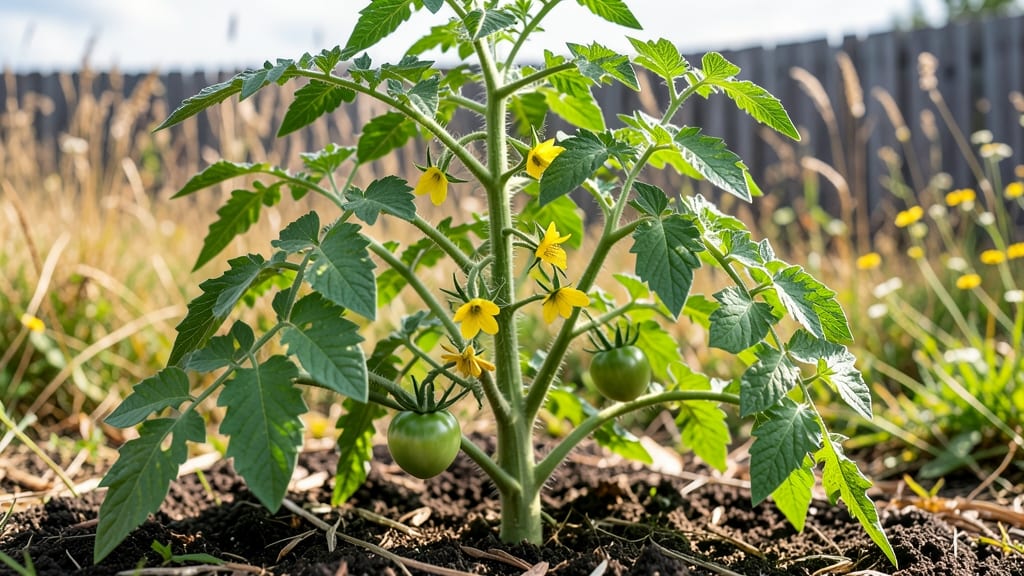
A bloom set for tomato plants refers to the stage when tomato flowers begin to develop and set fruit. This process is crucial because it determines the yield and quality of your harvest. Without proper conditions—like consistent warmth, adequate light, and balanced humidity—your tomato plants may fail to set blooms or produce fruit. Using a heat mat during early seedling stages ensures optimal germination and growth, which directly impacts the plant’s ability to bloom and set fruit later in the season. For tomatoes, maintaining temperatures between 75°F–85°F during germination and early growth is key to encouraging strong, healthy blooms.
Q: How do I know if my tomato plant has successfully set blooms?
You’ll know your tomato plant has set blooms when you see small green fruit forming at the base of the flowers. Look for tiny tomatoes (about the size of a pea) that appear within 7–14 days after flowering. If you notice flowers falling off without setting fruit, it could indicate pollination issues (common in indoor or greenhouse settings) or stress from extreme temperatures or drought. To improve bloom set, ensure your plants receive 12–16 hours of sunlight daily, maintain consistent moisture, and avoid over-fertilizing with high-nitrogen feeds, which can delay flowering.
Q: Can I use a heat mat to accelerate bloom set, or is it only for seed germination?
While heat mats are primarily used to boost seed germination, they can also help stimulate early growth in young tomato seedlings, which indirectly supports bloom set. Once seedlings are established (about 2–3 weeks old), you can transition them to a warm, well-lit environment (like a greenhouse or sunny windowsill) to encourage faster flowering. For optimal results, pair your heat mat with grow lights and humidity domes to create ideal conditions. However, avoid using heat mats on mature plants, as excessive warmth can stress them and reduce fruit production.
Q: What’s the difference between a budget-friendly heat mat and a premium heat mat with humidity control?
A budget-friendly heat mat typically offers basic warmth (like a 75W heating element) and is great for small-scale seed starting, but it lacks advanced features like adjustable thermostats or humidity control. These mats are ideal for first-time gardeners or those with limited space. In contrast, a premium heat mat with humidity dome provides dual-zone temperature control, USB-powered precision, and a polycarbonate dome to retain moisture—critical for high-value or slow-germinating tomato varieties. If you’re growing in a cooler climate or dealing with delicate heirloom seeds, the investment in a premium setup can significantly improve germination and bloom set rates.
Q: Why aren’t my tomato flowers setting fruit, even with a heat mat?
If your tomato flowers aren’t setting fruit despite using a heat mat, check these common issues: 1) Pollination: Tomatoes need pollinators (like bees) or gentle shaking of plants to transfer pollen. In greenhouses, hand-pollinate with a small brush. 2) Temperature Stress: Extreme heat (above 90°F) or cold (below 55°F) can prevent fruit set. 3) Nutrient Imbalance: Too much nitrogen promotes leafy growth but delays flowering. Switch to a phosphorus-rich fertilizer to encourage blooms. 4) Overcrowding: Ensure plants have 6–8 hours of direct sunlight and proper spacing (18–24 inches apart). If the problem persists, consider pruning to redirect energy to fruit production.
Q: How long does a heat mat typically last, and is it worth the investment?
The lifespan of a heat mat depends on its quality and usage. A budget-friendly mat may last 1–2 seasons if used occasionally, while a premium or mid-range model can last 3–5 years with proper care. In my experience, investing in a durable heat mat with adjustable settings pays off over time by reducing seedling loss, speeding up germination, and improving bloom set rates. For serious gardeners, the cost is quickly offset by higher yields and fewer failed batches. If you’re growing tomatoes annually, a reliable heat mat is a must-have tool—especially in cooler climates where slow starts are common.
Q: What’s the best alternative to a heat mat if I’m on a tight budget?
If you’re looking for budget alternatives to a heat mat, try these methods: 1) Bottom Watering: Place your seed trays in a shallow dish of warm water to encourage germination. 2) DIY Heat Source: Use a reusable silicone heat pad (like the budget-friendly option in our roundup) or even a heated towel (wrapped around the tray) for gentle warmth. 3) Greenhouse or Sunny Windowsill: Position trays near a south-facing window or under grow lights to maintain warmth. 4) Compost Heat: Bury seed trays in warm compost (60°F–70°F) for natural, consistent heat. While these methods won’t match the precision of a heat mat, they’re cost-effective and work well for small-scale growing.
★★★★★5.0(5 reviews)