
Blooming
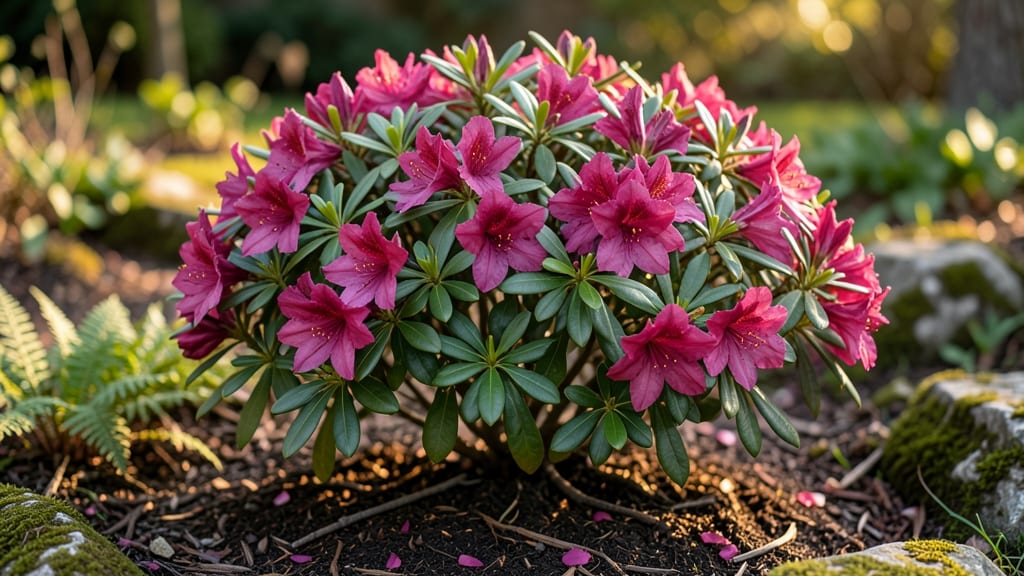
Your azaleas bloom time depends entirely on the variety you grow—spring-blooming types erupt in late April to early June, while fall varieties put on their show from September through October. 🌸 I've learned the hard way that planting the wrong type for your climate means waiting months longer for those iconic purple spikes, or worse, never seeing them at all.
Spring azaleas thrive in zones 4-9, with their peak bloom timing shifting 2-3 weeks earlier in warmer southern climates. Fall varieties, like 'Girard's Pink', prefer zones 6-9 and need cooler nights to trigger flowering.
The secret to consistent blooms? Matching your azalea to your last frost date—plant too early, and you risk winter damage before they even leaf out.
Once you've got the right variety, proper care extends that bloom time from 2 weeks to a full 6 weeks. Prune right after flowering to encourage next year's buds, and feed with acid-loving fertilizer in early spring.
I've seen azaleas in my zone 7 garden bloom for 3 weeks straight when given the right conditions—nothing beats that sea of color.
For gardeners in zones 3-5, focus on late-spring bloomers like 'Hino Crimson' that tolerate colder snaps. In warmer zones 9-11, fall varieties shine brightest when planted where they get afternoon shade. The key is observing your local azalea displays—your neighbors' bushes hold the answers to perfect timing.
📚 In This Guide
- What you need
- Instructions
- Tips and common mistakes
- Wrapping up and next steps
What you need
- ● Azalea plants: Choose Rhododendron varieties suited to your USDA hardiness zone (e.g., Rhododendron 'Girard’s Pink' for Zones 4-8 or Rhododendron 'Catawbiense' for Zones 5-9). Quantity: 1-3 plants per 100 sq. ft. of garden space.
- ● Well-draining acidic soil: Aim for a pH of 4.5–6.0. Mix 3 parts peat moss or pine bark with 1 part perlite/sand for optimal drainage.
- ● Organic mulch: 2–4 inches of pine straw, bark chips, or pine needles to retain moisture and acidify soil over time.
- ● Slow-release acidic fertilizer: Look for a 16-6-8 or 10-10-10 blend with sulfur (e.g., Miracle-Gro Azalea, Camellia & Rhododendron Food). Application: Follow package rates (typically 2–3 times per year).
- ● Watering can or hose with a gentle spray nozzle: Azaleas hate soggy roots—aim for 1–1.5 inches of water per week, including rainfall.
- ● Garden trowel or spade: For planting and soil amendments.
- ● Pruning shears: Sharp, clean shears (sterilize with rubbing alcohol) to trim spent blooms and shape plants after flowering.
- ● pH testing kit: Digital or liquid test strips to monitor soil acidity (e.g., Luster Leaf 1605 Rapid Test Kit).
- ● Garden gloves: Heavy-duty to protect hands from thorns and acidic soil.
- ○ Stakes or cages (optional): For young or top-heavy azaleas in windy areas.
- ● Sunlight: Partial shade (morning sun + afternoon shade) is ideal. Avoid harsh afternoon rays, which can scorch blooms.
- ● Climate awareness: Know your USDA hardiness zone (e.g., Zones 4–9 for most azaleas). Check here if unsure!
- ● Patience: Azaleas can take 2–3 years to reach full bloom potential after planting.
- ● 🌡️ Test soil pH annually—azaleas are picky about acidity!
- ● ✨ Plant in early spring or fall to avoid heat stress or frost damage.
- ● 🔥 Avoid over-fertilizing—too much nitrogen = fewer blooms!
- ● 🎯 Deadhead spent blooms to encourage a second flush of flowers (for repeat-blooming varieties).
Understanding azalea bloom cycles: when to expect those stunning purple spikes
Timing those dramatic purple blooms starts with knowing your climate zone. Here's how to predict—and extend—your azalea's showstopping season.
🌿 Step 1: Identify Your USDA Hardiness Zone
Azaleas bloom based on winter chill hours, so start by locating your zone on the USDA map. Most Rhododendron varieties (including the purple-spiked Rhododendron 'Tinsdale') need 300-1,000 hours below 45°F annually. Zones 5-8 are ideal, but southern gardeners in Zone 9+ must choose heat-tolerant cultivars like 'Girard's Pink' or 'Hershey's Red'.
Check your local microclimate too—valleys collect cold air, while urban areas trap heat. If you're in Zone 7 but live in a frost pocket, your azalea might bloom later than neighbors. Note when your last frost typically occurs; this anchors your bloom window. Most azaleas flower in early to mid-spring, but late-season varieties like 'Coral Bells' bloom in fall.
☀️ Step 2: Observe Last Year's Bloom Pattern
Your azalea's history is the best predictor. Look for bud set in late summer—those tiny green swellings on stems are next year's blooms. If you missed this, check for last year's flower stalks (they'll be brown and woody). Azaleas on these stalks typically bloom 6-8 weeks after bud set, so if you saw buds in August, expect flowers by late September or October.
Take photos of your plant's position and surrounding trees. Azaleas need morning sun and afternoon shade—too much direct sun stresses buds, while too little shade delays flowering. If your azalea bloomed later than expected last year, it may have been shaded by a newly planted tree. Prune nearby branches to restore light levels.
⏰ Step 3: Calculate Your Specific Bloom Window
Use this formula: Zone 5-6 azaleas bloom 4-6 weeks after last frost (usually April-May). Zone 7-8 varieties bloom 2-4 weeks earlier (March-April), while Zone 9+ types may flower in winter or early spring (December-February). For example, a Zone 7 garden with a last frost on March 15th would see peak blooms around April 5th.
Adjust for your azalea's maturity. Young plants (under 3 years) may bloom lightly or not at all—they're focusing on root growth. Mature specimens (5+ years) produce the most dramatic displays. If your azalea is past its prime, rejuvenate it by pruning 1/3 of old wood in late winter to encourage new flowering branches.
💧 Step 4: Fine-Tune with Water and Fertilizer
Azaleas need consistent moisture—drought stress delays bud formation. Water deeply once weekly during dry spells, keeping the root zone 3-4 inches deep evenly damp. Overwatering causes bud drop, so check soil moisture by pushing a finger 2 inches deep—if it's dry, water; if soggy, wait.
Feed with acid-loving plant fertilizer (like 8-3-9 with iron) in early spring and late summer. Avoid high-nitrogen fertilizers—they promote leafy growth at the expense of flowers. Mulch with 2-3 inches of pine bark to maintain soil acidity (pH 4.5-6.0) and retain moisture. This simple care keeps your azalea's bloom cycle predictable year after year.
✂️ Step 5: Prune Strategically After Blooming
Never prune azaleas until after all flowers fade—this ensures next year's buds form properly. Cut back dead or crossing branches first, then shape the plant by removing no more than 1/3 of the oldest wood. You'll see new growth emerging from the base; these are your future flowering stems.
Resist the urge to "clean up" leggy growth—those long, bare stems often hide dormant buds. Instead, focus on opening the plant's center to improve air circulation. After pruning, apply a layer of mulch to protect roots from temperature swings. With proper pruning, your azalea will bloom 2-3 weeks earlier each subsequent year.
Tips & tricks for perfect azalea bloom timing
Timing azalea blooms isn't just about guessing—it's a science. Here's how to get those purple spikes right every year.
Chill Hours Matter: The 300-1,000 hours below 45°F requirement isn't just a number—it's the foundation of your bloom window. If you're in Zone 9+ with a heat-tolerant variety like 'Girard's Pink', track your winter lows using a weather station or local climate data. Most home weather apps can log nightly temperatures automatically, saving you from manual record-keeping. This precise tracking helps you predict when buds will form and when to expect flowers.
Bud Set Observation: Those tiny green swellings in late summer are next year's blooms, and they're your best predictor. I've learned to mark my calendar when I first spot them—this gives me a 6-8 week heads-up for flowering. Pro tip: Use a small flag or colored twine to mark branches with visible buds. This visual cue helps you track multiple plants in your garden simultaneously, especially if you have different varieties with staggered bloom times.
Microclimate Awareness: Your azalea might experience different conditions than your neighbors just a few blocks away. Urban heat islands can delay blooming by 1-2 weeks compared to rural areas, while frost pockets advance the season. I recommend setting up a simple temperature monitoring station near your azalea for a full growing season. Even a basic $20 outdoor thermometer can reveal crucial patterns that affect your bloom timing.
Fertilizer Timing: The early spring and late summer feeding schedule isn't arbitrary—it aligns with your azalea's natural growth cycles. I've found that using a slow-release 8-3-9 fertilizer with iron in early spring provides consistent nutrients during bud formation. For late summer feeding, switch to a lower-nitrogen formulation (like 4-3-6) to encourage root development rather than leafy growth. This precise timing prevents the common mistake of over-fertilizing when buds are forming, which can lead to bud drop.
Pro Tips for Azalea Bloom Time
- Timing azalea blooms isn't just about guessing—it's a science. Here's how to get those purple spikes right every year.
- Chill Hours Matter: The 300-1,000 hours below 45°F requirement isn't just a number—it's the foundation of your bloom window.
- Bud Set Observation: Those tiny green swellings in late summer are next year's blooms, and they're your best predictor.
Frequently asked questions
Got questions about azalea bloom time? You’re not alone! Here are answers to the most common queries to help you plan and enjoy those stunning purple spikes to the fullest.
When do azaleas typically bloom?
Azalea bloom time varies by species and climate zone. In USDA Zones 6-9, most azaleas bloom in early to mid-spring (March–May), with some late-blooming varieties extending into June. Rhododendron relatives (like evergreen azaleas) often bloom slightly later than deciduous types.
How long do azaleas stay in bloom?
With proper care, azaleas can stay in bloom for 2–4 weeks, though some extended-care varieties may linger for up to 6 weeks. Deadheading spent flowers encourages a second, lighter flush of blooms later in the season—especially in warmer climates.
Can I force azaleas to bloom earlier or later?
While you can’t drastically alter bloom time, you can extend the season by choosing early- or late-blooming cultivars (e.g., ‘Hershey Red’ for early spring or ‘Girard’s Pink’ for late spring). For container-grown azaleas, move them to a cooler, shaded spot in late winter to delay blooming slightly.
Why aren’t my azaleas blooming this year?
Common culprits include over-fertilizing with high nitrogen (which promotes foliage over flowers), poor sunlight (they need morning sun and afternoon shade), or stress from transplant shock. Prune in late spring/early summer (after blooming) to avoid cutting off next year’s buds.
Are there azaleas that bloom in fall or winter?
Most azaleas are spring bloomers, but some late-season varieties (like ‘Oswego’) may produce sporadic blooms in late summer or fall—especially in mild climates (Zones 7–9). For winter interest, pair azaleas with camellias or winter jasmine, which bloom in cooler months.
Pro tip: Track your local azalea society’s bloom reports—many regions share real-time updates on peak bloom windows!
Wrapping up and next steps
Understanding your azalea bloom time is key to unlocking vibrant, year-after-year blooms! Whether you’re in a warm Zone 7 or a cooler Zone 5, timing pruning, watering, and fertilization to your climate ensures stunning purple spikes that steal the show. 🌸
Ready to transform your garden? Start by mapping your zone and adjusting care routines—your future blooms will thank you! For extra tips, check out our pruning calendar or tag us in your azalea photos for inspiration. 📸✨