
Blooming
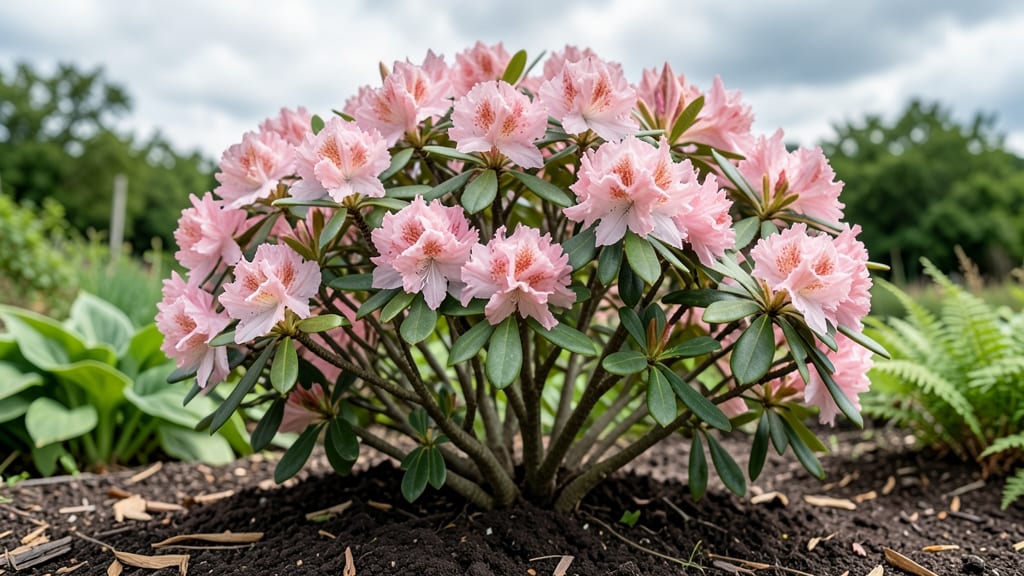
This azalea bloom-a-thon of double pink velvety petals is stealing the spring show with its blush-hued drama. 🌸 I’ve designed my garden’s centerpiece around them, and the secret isn’t just the azaleas—it’s how they transform a space into a soft, romantic retreat when paired right.
Start with three to five of these showstoppers as your focal point, then layer in silver foliage plants like lamb’s ear or dusty miller to make those pink blooms pop. Add a splash of white—maybe a few hydrangeas or gardenias—to keep the color palette fresh without competing.
The result? A garden that feels like a living watercolor painting, all season long. By late spring, your azalea "bloomathon" will be the talk of the neighborhood, with petals so lush they’ll make your neighbors jealous.
The key is spacing them 4 to 6 feet apart so each plant gets enough air to shine, and pruning lightly after blooming to encourage next year’s display. This theme works year-round if you add evergreen shrubs for winter structure, and the fragrance? Pure magic.
Let’s make your garden the envy of the block!
📚 In This Guide
- What you need
- Instructions
- Tips and common mistakes
- Wrapping up and next steps
What you need
- ● Azalea Plants: 2–4 double pink azalea varieties (e.g., 'George Taber,' 'Hino Crimson,' or 'Knock Out Red' for contrast)
- ● Ensure they’re dormant or early spring (bare-root or potted, 1–2 years old)
- ● Soil Mix: 5–10 gallons of acidic, well-draining soil (pH 4.5–6.0)
- ● Peat moss or pine bark fines (for organic matter)
- ● Perlite or sand (to improve aeration)
- ● Fertilizer: Azalea-specific fertilizer (e.g., 10-10-10 or 8-3-9 with micronutrients)
- ● Slow-release granules or liquid feed (follow label for dosage)
- ● Planting Tools: Trowel or spade
- ● Garden gloves
- ● Pruning shears (sterilized)
- ● Measuring tape or ruler
- ● Watering Supplies: Hose with a gentle spray nozzle or watering can
- ● Mulch (pine straw or shredded bark)
- ● Epsom salt (for magnesium boost—1 tbsp per gallon of water)
- ● Lime (if soil pH is too low—test first!)
- ● Decorative rocks or pebbles (for a polished garden bed)
- ● Stakes or supports (if planting in windy areas)
- ● Slow-release iron chelate (to prevent yellowing leaves)
Step-by-Step guide to coaxing double pink azaleas into full bloom
Here's how I turn these blush beauties into the showstopper display they're meant to be.
🌱 Step 1: Prune for Next Season’s Flowers
Azaleas bloom on last year's growth, so timing matters. After your current blooms fade, cut back any dead or crossing branches with clean, sharp pruners. I like to shape them like a rounded vase—this opens the center for better airflow and future blooms. Never trim more than one-third of the plant at once, or you'll sacrifice next year's flowers.
Look for branches that grew too long or look leggy. Cut just above a leaf bud or small side shoot, always at a 45-degree angle. This encourages new growth that will become next year's flower stems. I mark my pruning spots with a pencil first—it keeps me from over-trimming in my excitement.
☀️ Step 2: Position for Optimal Light and Shelter
Double pink azaleas thrive in morning sun and afternoon shade. I place mine where they get 3-4 hours of direct sun, then dappled shade the rest of the day. Too much hot afternoon sun fades their blush tones and stresses the plant. If your yard has only full sun spots, use a 30% shade cloth during peak hours.
They also need protection from harsh winds and winter chill. I plant mine near a foundation or against a brick wall—this creates a microclimate that keeps roots warmer and blooms protected. Mulch heavily with 3-4 inches of organic mulch (like pine straw) to insulate roots through winter and retain moisture.
💧 Step 3: Feed for Vibrant Color and Excessive Blooms
Azaleas love acidic soil—aim for a pH between 4.5 and 5.5. I test my soil every spring and amend with sulfur or peat moss if needed. For feeding, I use an azalea-specific fertilizer (high in phosphorus for blooms) in early spring when new growth appears. Follow package rates—over-fertilizing burns roots and reduces flowers.
Water deeply once a week during dry spells, aiming for 1-1.5 inches of water. Let the top 2 inches of soil dry out between waterings—soggy roots lead to root rot. I water in the morning so leaves dry quickly, preventing fungal issues. Yellowing leaves often mean too much water or poor drainage.
✂️ Step 4: Deadhead and Maintain Through the Season
After blooms fade, I deadhead spent flowers by cutting the stem just below the faded bloom. This redirects the plant's energy toward next year's buds instead of seed production. I do this every 2-3 weeks throughout the blooming season to keep the plant looking tidy and encourage continuous flowering.
Watch for pests like lace bugs or spider mites—these love azaleas. I inspect leaves weekly and treat with neem oil at the first sign of trouble. Brown leaf edges often mean too much sun or not enough water. If you see this, move the plant to a shadier spot and water more consistently.
⏰ Step 5: Prepare for Winter Dormancy
Azaleas need a cool winter to set next year's buds. I stop fertilizing in late summer to let the plant harden off. Before the first frost, I apply a 3-inch layer of mulch around the base, keeping it 3 inches away from the trunk to prevent rot. This protects roots from freezing and thawing cycles.
If you live in a very cold climate (below 10°F), wrap young plants with burlap or frost cloth during extreme cold snaps. Mature azaleas usually handle winter fine, but young ones need extra protection. I also prune lightly in late winter to shape the plant before new growth starts—this keeps the vase shape perfect for next year's spectacular display.
Tips & tricks for perfect double pink azalea blooms
These simple strategies will help you coax out the most stunning blush blooms from your azaleas.
Pruning Precision: When shaping your azalea in Step 1, focus on creating that rounded vase shape by removing only the longest, leggiest branches. I like to use a pencil to mark cuts first—this helps me visualize the final shape before making any cuts. Remember, you're shaping next year's flower display, not just tidying up. The 45-degree angle cut is crucial as it prevents water from pooling on the cut surface, which could lead to rot.
Light Management: For those 3-4 hours of morning sun in Step 2, I recommend placing your azalea near an east-facing window or patio. If you notice the edges of leaves turning brown during summer afternoons, that's your cue to move it to a slightly shadier spot. The goal is to protect those delicate double pink blooms from the harsh afternoon sun that can cause color fading. A 30% shade cloth is a game-changer for full-sun locations.
Soil Science: The pH range of 4.5-5.5 mentioned in Step 3 is non-negotiable for vibrant blooms. I've found that using pine straw mulch not only helps maintain that acidic environment but also slowly releases nutrients as it breaks down. If your soil test comes back higher than 5.5, I recommend adding sulfur gradually—too much at once can actually burn your azalea's roots.
Pro Tips for Azalea Bloom A Thon Double Pink
- These simple strategies will help you coax out the most stunning blush blooms from your azaleas.
- Pruning Precision: When shaping your azalea in Step 1, focus on creating that rounded vase shape by removing only the longest, leggiest branches.
- Light Management: For those 3-4 hours of morning sun in Step 2, I recommend placing your azalea near an east-facing window or patio.
Frequently asked questions
When is the best time to plant Azalea Bloom A Thon Double Pink?
For optimal root establishment, plant these azaleas in early spring or early fall—when temperatures are mild (50–60°F). Avoid extreme heat or frost, as it can stress the plant. If planting in containers, choose a spot with morning sun and afternoon shade to protect the delicate blooms from scorching.
Why aren’t my Double Pink azaleas blooming this year?
Azaleas need consistent care to bloom reliably. Check these common culprits:
- Too much shade: They need at least 4–6 hours of sunlight daily.
- Over- or under-watering: Soil should stay moist but well-draining.
- Improper pruning: Prune right after blooming (never in fall/winter).
- Nutrient deficiency: Feed with acidic, azalea-specific fertilizer in early spring.
Can I grow Azalea Bloom A Thon Double Pink in containers? If so, what’s the best setup?
These azaleas thrive in 15–20 gallon containers with:
- Well-draining acidic potting mix (peat moss + pine bark).
- A slow-release fertilizer (like Osmocote for azaleas).
- Drainage holes + a cache pot (to prevent root rot).
Are these azaleas deer- or pest-resistant? What should I watch for?
While Azalea Bloom A Thon Double Pink are deer-resistant, they can attract:
- Azalea lace bugs: Look for speckled leaves and sticky residue. Treat with neem oil or insecticidal soap.
- Spider mites: Dry conditions invite these pests—mist leaves regularly.
- Powdery mildew: Improve airflow and avoid overhead watering.
What’s the lifespan of these azaleas, and how do I extend it?
With proper care, Azalea Bloom A Thon Double Pink can live 20–30 years! To maximize their lifespan:
- Mulch annually with pine straw or bark to retain moisture and acidity.
- Avoid heavy pruning—focus on shaping after blooms fade.
- Test soil every 2–3 years and amend with sulfur if pH rises above 6.0.
- Protect from winter winds in colder climates with burlap wraps.
Wrapping up and next steps
The Azalea Bloom A Thon Double Pink isn’t just a burst of color—it’s a celebration of nature’s artistry at its finest! 🌸 Whether you’re a seasoned gardener or a blossoming enthusiast, these double pink azaleas bring joy, elegance, and a touch of spring magic to any space.
Their vibrant hues and lush blooms prove that beauty thrives with the right care and a little patience.
Now that you’re armed with the how-to’s and answers to common questions, it’s time to roll up your sleeves and give your azaleas the love they deserve. Start planting or pruning today—your garden (and future blooms!) will thank you.