
Blooming
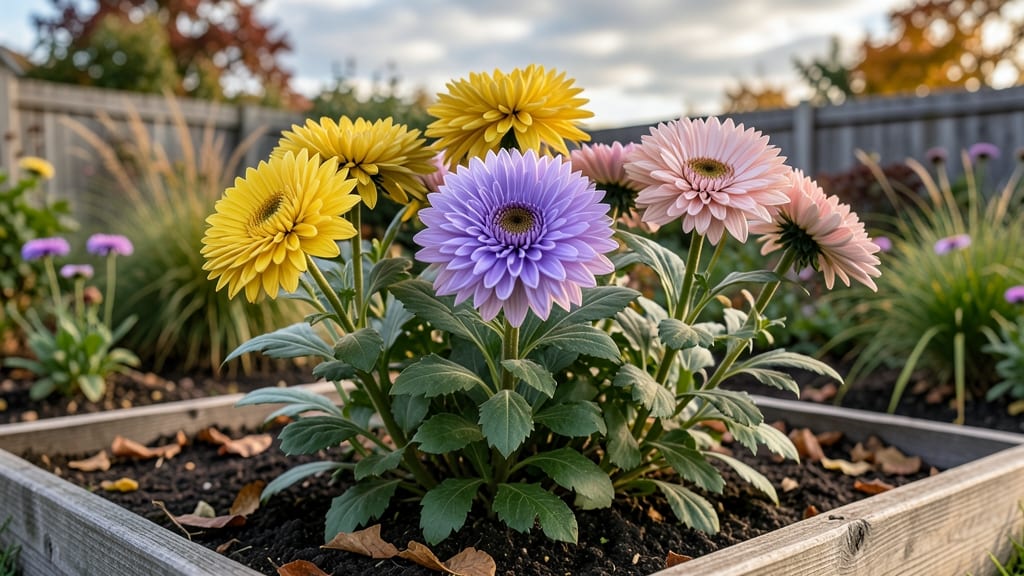
Mums (chrysanthemums) typically bloom in fall rather than spring, though certain hardy varieties may produce a second flush of flowers in spring if given ideal growing conditions. The timing varies by cultivar and your local climate zone.
Most chrysanthemums are fall-bloomers by nature, triggered by shorter daylight hours and cooler temperatures. 🌸 The few varieties that rebloom in spring—like some hardy garden mums—need consistent care, including proper pruning after their first fall bloom and protection from harsh winter winds.
Cooler northern climates often see more spring blooming because the extended winter chills help reset the plant's growth cycle.
What sets spring-blooming mums apart is their ability to store energy during winter dormancy, which they later use to produce flowers. This makes them perfect for gardeners in zones 5-7 who want year-round color.
For best results, I recommend planting reblooming varieties in well-draining soil with morning sun exposure—they'll reward you with vibrant blooms twice a year!
💡 In This Article
- Chrysanthemum Bloom Cycles Explained by Variety
- How to Encourage Spring Blooms in Mums
Chrysanthemum bloom cycles explained by variety
Most chrysanthemums are hardwired to bloom in fall because their flowering is triggered by shorter daylight hours (photoperiodism) and cooler temperatures. When daylight drops below 12-14 hours—typically in late summer—these plants receive a hormonal signal to produce flowers.
This natural cycle explains why your garden center mums burst into color in September and October. 🌸 The key hormone here is florigen, which only activates under these specific light conditions, making spring blooming the exception rather than the rule.
There are two main types of chrysanthemums: standard (single-bloom) and reblooming varieties. Standard mums produce one spectacular fall display and then go dormant, while reblooming cultivars—like 'Bonanza' or 'Vision' series—can produce a second flush of flowers in spring if given proper care.
The difference lies in their genetic ability to store carbohydrates during winter and restart growth when temperatures stabilize above 50°F. In cooler climates (zones 5-7), these varieties often bloom in both spring and fall, creating a stunning two-season show.
Temperature plays a crucial role in breaking dormancy for spring blooms. Most chrysanthemums need 6-8 weeks of winter chilling (below 40°F) to reset their growth cycle. Without this cold period, they'll either bloom too late in spring or not at all.
This is why gardeners in milder climates (zones 8+) rarely see spring blooms—winter temperatures stay too warm to trigger the necessary hormonal changes. The exception is hardy garden mums, which can survive -20°F and often reward gardeners with early spring color as a bonus after their fall display.
Light exposure also makes a difference. Spring-blooming mums perform best with 6-8 hours of morning sun and afternoon shade, especially in hot climates. Too much intense afternoon sun can stress the plants during their critical spring growth phase.
I've noticed that mums planted near deciduous trees actually perform better in spring—they get filtered light in summer while still getting enough sunlight in winter to build energy reserves. This natural light management helps them produce stronger stems and more abundant flowers when they do bloom.
Color intensity varies by season too. Fall blooms tend to be more vibrant because the plants have stored maximum energy, while spring blooms might appear slightly paler until the plant fully regains its strength.
The 'Dynasity' series, for example, produces deep reds in fall that lighten to a soft pink in spring—a beautiful progression that many gardeners appreciate. This seasonal color shift happens because the plant's energy allocation changes between storage (fall) and growth (spring).
For gardeners in warmer climates (zones 8-10), spring blooming is extremely rare without special care. These regions often lack the necessary winter chill, so even reblooming varieties may only produce a weak spring display.
The solution? Plant cool-season cultivars like 'Bright Lights' or 'Marmalade'—these are specifically bred to handle milder winters and may produce a modest spring bloom when other varieties fail completely. 🌿